Explore Authentic Moroccan Food Experiences
Discover the Delightful World of Traditional Moroccan Food Experiences
Estimated Reading Time: 5 minutes
- Immerse yourself in Moroccan cuisine through authentic cooking classes and food tours.
- Key ingredients of Moroccan food include tagine, couscous, harira, and mint tea.
- Experience local culture by participating in communal meals and learning dining customs.
- Culinary festivals provide a unique way to taste a variety of traditional dishes.
- Sample street food for a true taste of Morocco, looking for busy stalls for quality.
Table of Contents
- Savoring the Essence of Morocco: A Culinary Journey
- Key Ingredients that Define Moroccan Cuisine
- Experiencing Moroccan Food on a Deeper Level
- Practical Tips for Enjoying Traditional Moroccan Food
- The Mission of MoroccoSpots
- Conclusion: A Culinary Adventure Awaits
- FAQ
Savoring the Essence of Morocco: A Culinary Journey
When one thinks of Moroccan cuisine, the mind immediately conjures up images of colorful spices, aromatic dishes, and exquisitely presented meals. Traditional Moroccan food is characterized by flavors that reflect the country’s diverse cultural heritage—a fusion of Berber, Arabic, and Mediterranean influences. The hallmark of Moroccan cooking lies in its spices, particularly cumin, coriander, saffron, and paprika, which are often used in tandem with fresh herbs like cilantro and parsley.
Key Ingredients that Define Moroccan Cuisine
Understanding some of the foundational ingredients will enrich your food experience while traveling through Morocco:
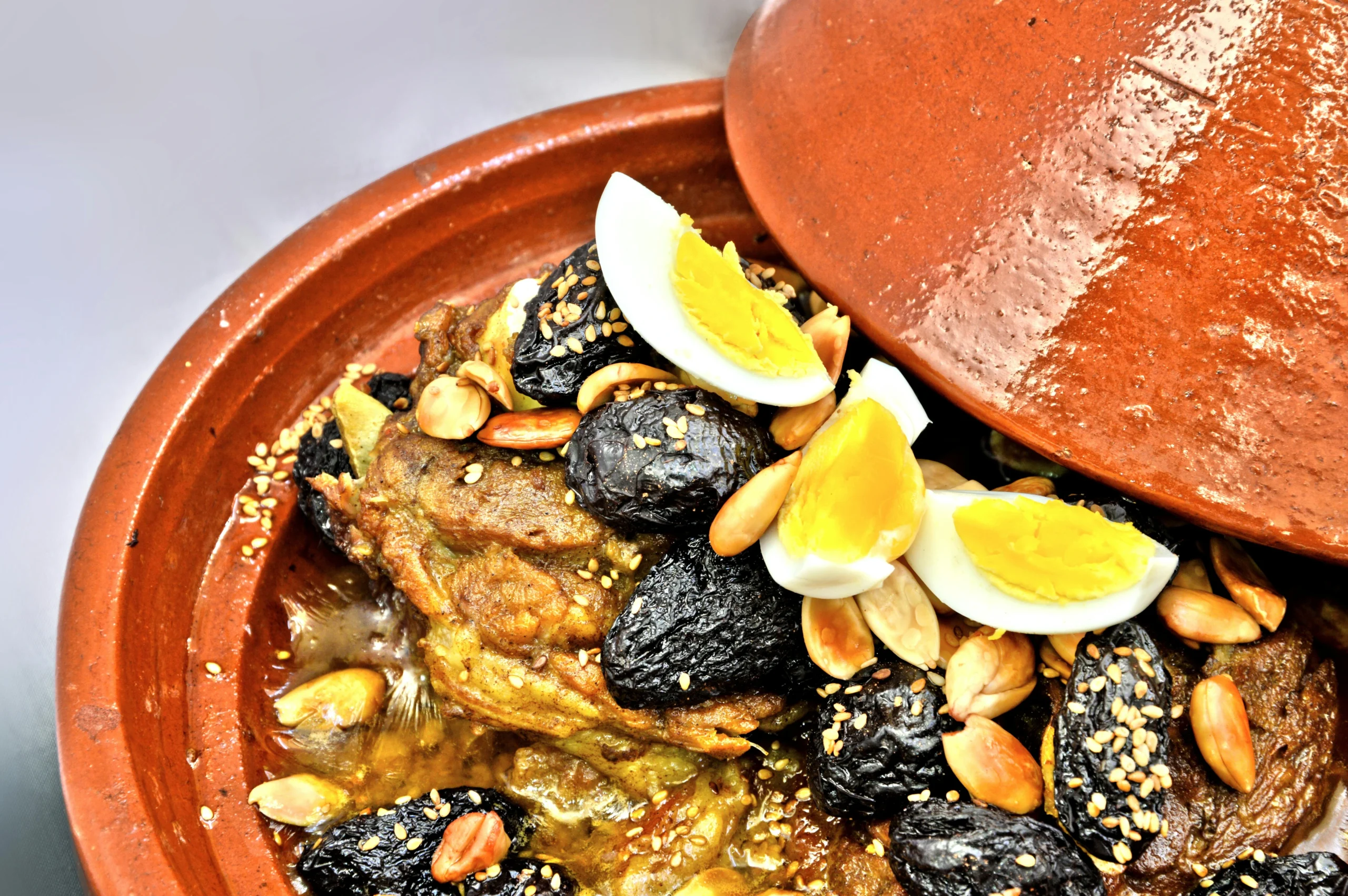
- Tagine: Named after the earthenware pot in which it is cooked, tagine refers to both the slow-cooked dish and the method of preparation. These meals typically include meats such as lamb or chicken, combined with vegetables and dried fruits.
- Couscous: Often considered a staple food, couscous is semolina wheat that is steamed and served with stew. It’s a beloved dish, particularly on Fridays, when families gather for a communal meal.
- Harira: A traditional soup made with tomatoes, lentils, and chickpeas, harira is especially popular during Ramadan to break the fast.
- Pastilla: This unique dish is a savory and sweet pie made with layered pastry, often filled with pigeon (or chicken) and garnished with cinnamon and powdered sugar.
- Mint Tea: Known as “Moroccan whisky,” this refreshing drink is synonymous with Moroccan hospitality and is served in ornate glassware.
Experiencing Moroccan Food on a Deeper Level
If you’re eager to experience Moroccan food beyond just dining in restaurants, participating in cooking classes and food tours can offer authentic insights into this vibrant culinary scene.
1. Cooking Classes: Mastering Moroccan Cuisine
Many travelers find joy in taking cooking classes that not only teach them about traditional recipes but also provide an intimate glimpse into Moroccan culture. Here are a few highly recommended cooking classes:
- La Maison Arabe (Marrakech): This luxurious cooking school offers a variety of classes, taking participants through the entire process of preparing a traditional Moroccan meal. Classes often culminate in a communal meal where students can enjoy the fruits of their labor.
- Cooking with Berbers (Fez): This cooking experience invites travelers into the homes of Berber families where you’ll learn time-honored techniques and recipes passed down through generations. The warmth of a Berber kitchen is an experience like no other.
- The Moroccan Cooking School (Marrakech): Located in the heart of the Medina, this school offers hands-on cooking classes featuring market visits to source fresh ingredients and a focus on authentic Moroccan cooking methods.
2. Food Tours: A Culinary Exploration of Local Flavors
Food tours offer a fantastic way to explore the local food culture while gaining historical context about the dishes. Here are some popular food tours across Morocco:
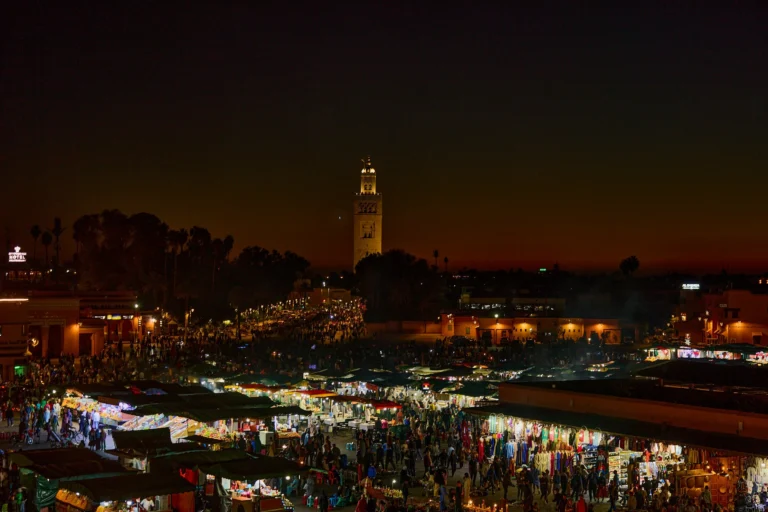
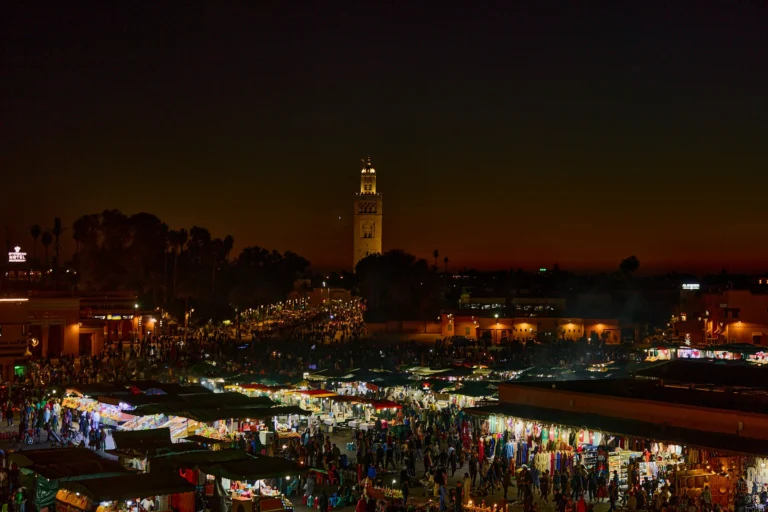
- Marrakech Street Food Tour: Navigate through the bustling food stalls of Djemaa el-Fna square, tasting everything from savory meat skewers to sweet pastries. Many food tours also include a guide who shares intriguing stories about the vendors and their dishes.
- Fez Food Safari: Dive into the medina of Fez, where you’ll sample traditional foods like pastilla and harira at hidden local eateries and specialty shops. This immersive tour often features engaging storytellers who will delight you with the history behind each dish.
- Chefchaouen Gastronomy Tour: Not only famous for its blue walls, this city offers a unique food tour that combines beautiful scenery with traditional recipes unique to the Rif region of Morocco.
Practical Tips for Enjoying Traditional Moroccan Food
- Learn Basic Arabic or French Phrases: While many Moroccans speak English, knowing a few key phrases in Arabic or French can enrich your interactions and hospitality experiences.
- Don’t Hesitate to Sample Street Food: While it may feel daunting, sampling street food can be highly rewarding. Look for busy stalls as a sign of quality, and don’t shy away from trying local delicacies.
- Attend Local Festivals: Plan your visit during Moroccan culinary festivals, such as the Marrakech Food Festival, to experience food in its cultural context and sample a variety of dishes.
- Pairing Moroccan Food with Mint Tea: Embrace the local custom by enjoying mint tea with your meals. It is not only refreshing but also complements the flavors of Moroccan cuisine beautifully.
- Respect meal customs: When dining with locals, it’s customary to eat with your right hand, and meals may be communal, featuring shared plates.
The Mission of MoroccoSpots
At MoroccoSpots, our mission is to enrich and inspire your travel experience by offering insights into the authentic aspects of Moroccan culture. Traditional food experiences not only satisfy the palate but also connect travelers with the local way of life and stories behind every dish. Whether through hands-on cooking classes or guided food tours, we are dedicated to helping you uncover the flavors and traditions that make Moroccan cuisine one of the world’s most alluring.
Conclusion: A Culinary Adventure Awaits
As you embark on your journey through Morocco, do not miss out on the diverse and rich tapestry of traditional Moroccan food experiences. The culinary delights of this fascinating country will leave a lasting impression, providing both nourishment and new acquaintances along the way. Take the time to explore local markets, participate in cooking classes, and join food tours to create a memorable and enriching travel experience.
Are you ready to dive into the heart of Morocco’s culinary scene? Explore more guides, itineraries, and resources on MoroccoSpots.com. If you’re looking for tailored assistance in planning your Moroccan adventure, don’t hesitate to contact us. Let us help you discover the authentic flavors of Morocco, one dish at a time!
FAQ
What is a tagine?
A tagine is both a traditional Moroccan dish and the earthenware pot in which it is cooked. It typically includes a combination of meat, vegetables, and dried fruits.
What is Moroccan mint tea?
Moroccan mint tea, often referred to as “Moroccan whisky,” is a sweetened green tea infused with fresh mint and is a key part of Moroccan hospitality.
Can I take cooking classes in Morocco?
Yes, many cooking schools in Morocco offer classes where you can learn to prepare traditional dishes and immerse yourself in Moroccan culture.
Are food tours available in all major Moroccan cities?
Yes, food tours are popular in cities such as Marrakech, Fez, and Chefchaouen, providing a wonderful way to explore local cuisine.
What should I know about dining etiquette in Morocco?
When dining in Morocco, it’s customary to eat with your right hand and share meals from communal dishes. Showing appreciation for the food and hospitality is essential.