Is Morocco Safe for Tourists? Essential Insights
Is Morocco Safe for Tourists? Essential Insights for Travelers
Estimated reading time: 7 minutes
- Morocco has low crime rates in tourist areas.
- Health services are generally adequate in urban centers.
- Registering with your embassy can provide peace of mind.
- Understanding local customs enhances safety and interactions.
- Use registered transport for safe travel.
Table of Contents
- Understanding Morocco: A Tourist’s Perspective
- Recent Developments Impacting Travel to Morocco
- Safety Precautions Before Traveling to Morocco
- Tourist-Friendly Areas in Morocco
- Cultural Awareness and Local Etiquette
- Transportation Considerations
- What to Do in Case of an Emergency
- Conclusion: Enjoying a Safe Journey in Morocco
- Call to Action
Understanding Morocco: A Tourist’s Perspective
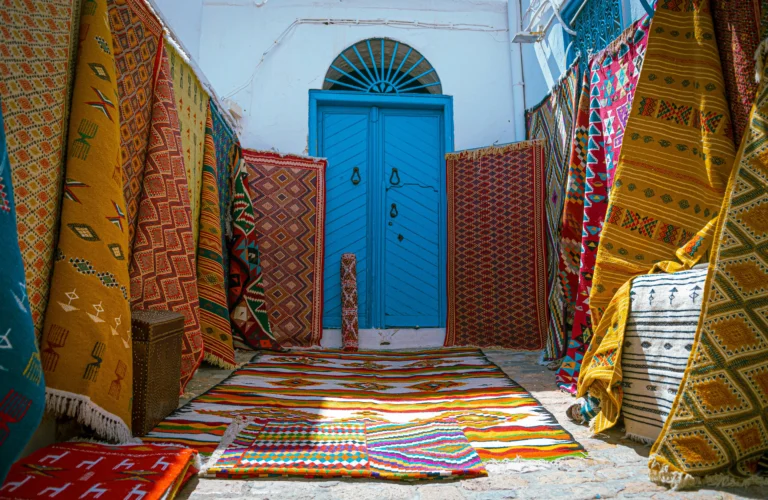
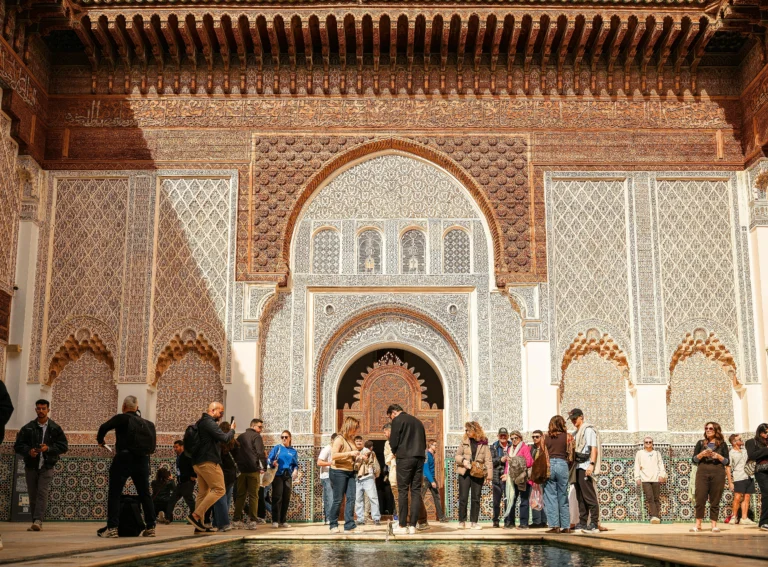
Morocco’s allure lies not only in its picturesque landscapes, from the Sahara Desert to historic cities like Marrakech and Fes, but also in the warmth of its people. However, like any destination, it’s crucial to be informed about safety to ensure your experience is positive and enjoyable.
Recent Developments Impacting Travel to Morocco
In recent years, Morocco has undergone significant changes aimed at improving tourism safety. The Moroccan government actively works on enhancing infrastructure, boosting police presence in tourist hubs, and fostering international partnerships to ensure the safety of visitors. According to the Moroccan National Tourism Office, tourist visitation has steadily increased, reflecting a growing confidence in the country’s safety protocols.
Key Safety Statistics
- Crime Rates: Major cities like Marrakech and Casablanca report lower crime rates than many Western urban centers. Petty crimes such as pickpocketing can occur in crowded areas, but violent crime against tourists is relatively rare.
- Health & Emergency Services: Moroccan hospitals and clinics often provide adequate medical care, especially in urban areas. Assistance is available for tourists needing urgent care, and many establishments cater to English speakers.
Safety Precautions Before Traveling to Morocco
When planning your trip to Morocco, taking certain precautions can significantly enhance your safety and enjoyment. Here are some practical tips:
- Stay Informed: Monitor travel advisories from reputable sources, such as the U.S. State Department or your country’s travel advisory service.
- Register with Your Embassy: Consider registering your travel plans with your embassy, which can provide assistance in emergencies.
- Health Preparations: Ensure vaccinations are up to date and consider travel insurance covering health and trip cancellations. The CDC’s travel health notices can provide vital information on medical safety in Morocco.
- Learn Basic Arabic or French: While many Moroccans speak English, learning a few words in Arabic or French can go a long way in establishing rapport and ensuring a smooth experience.
Tourist-Friendly Areas in Morocco
Morocco offers an array of destinations where safety and tourism go hand-in-hand.
1. Marrakech:
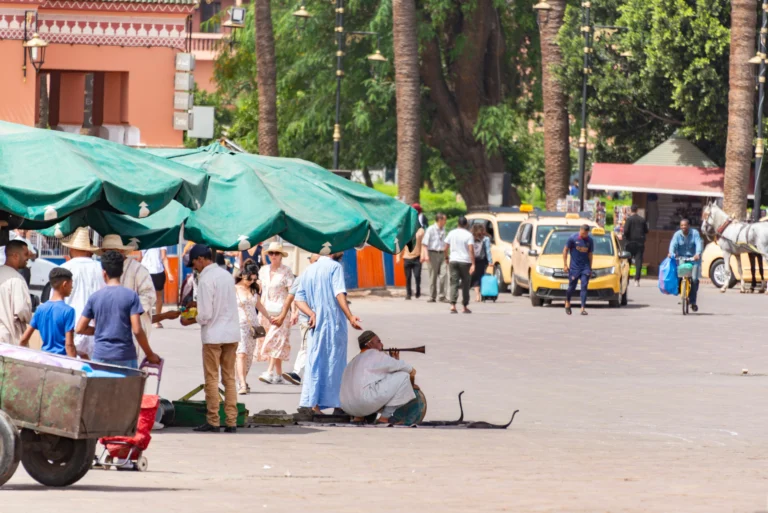
Home to the bustling Jemaa el-Fnaa square, Marrakech is a vibrant center for cultural experiences. Here, guided tours can provide a safe and informative way to navigate the souks and historical sites.
2. Fes:
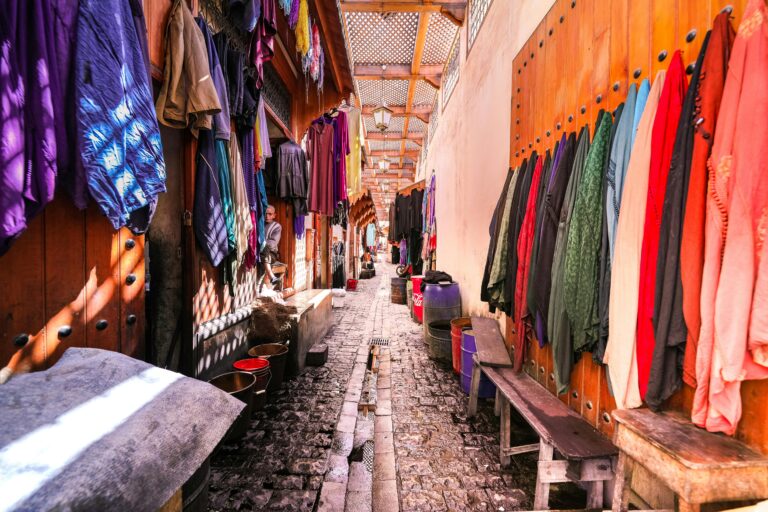
Known for its ancient medina and craftsmanship, Fes is another safe haven for tourists. The friendly locals typically go out of their way to assist travelers.
3. Chefchaouen:
Famous for its blue-washed buildings and tranquil atmosphere, this picturesque town in the Rif Mountains is perfect for travelers looking for a laid-back experience.
4. Agadir:
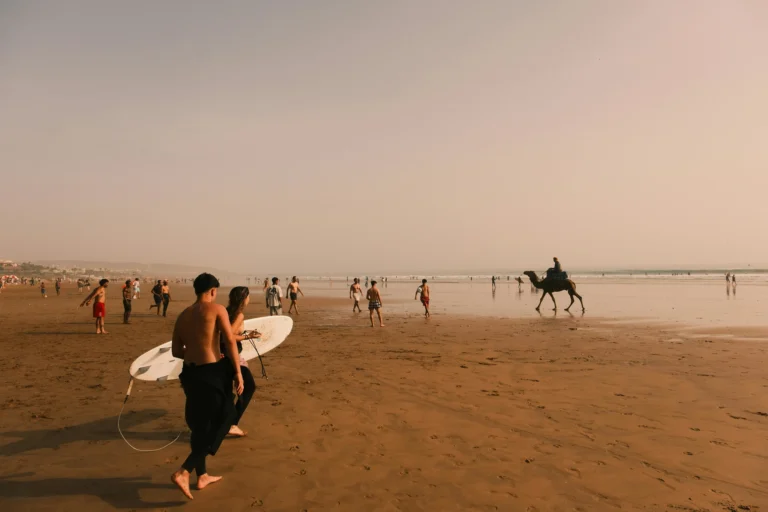
If you’re seeking relaxation by the beach, Agadir is a perfect option. This coastal city not only offers beautiful resorts but also emphasizes tourist safety and comfort.
Cultural Awareness and Local Etiquette
To enhance safety and ensure respectful interactions, understanding Moroccan culture is essential:
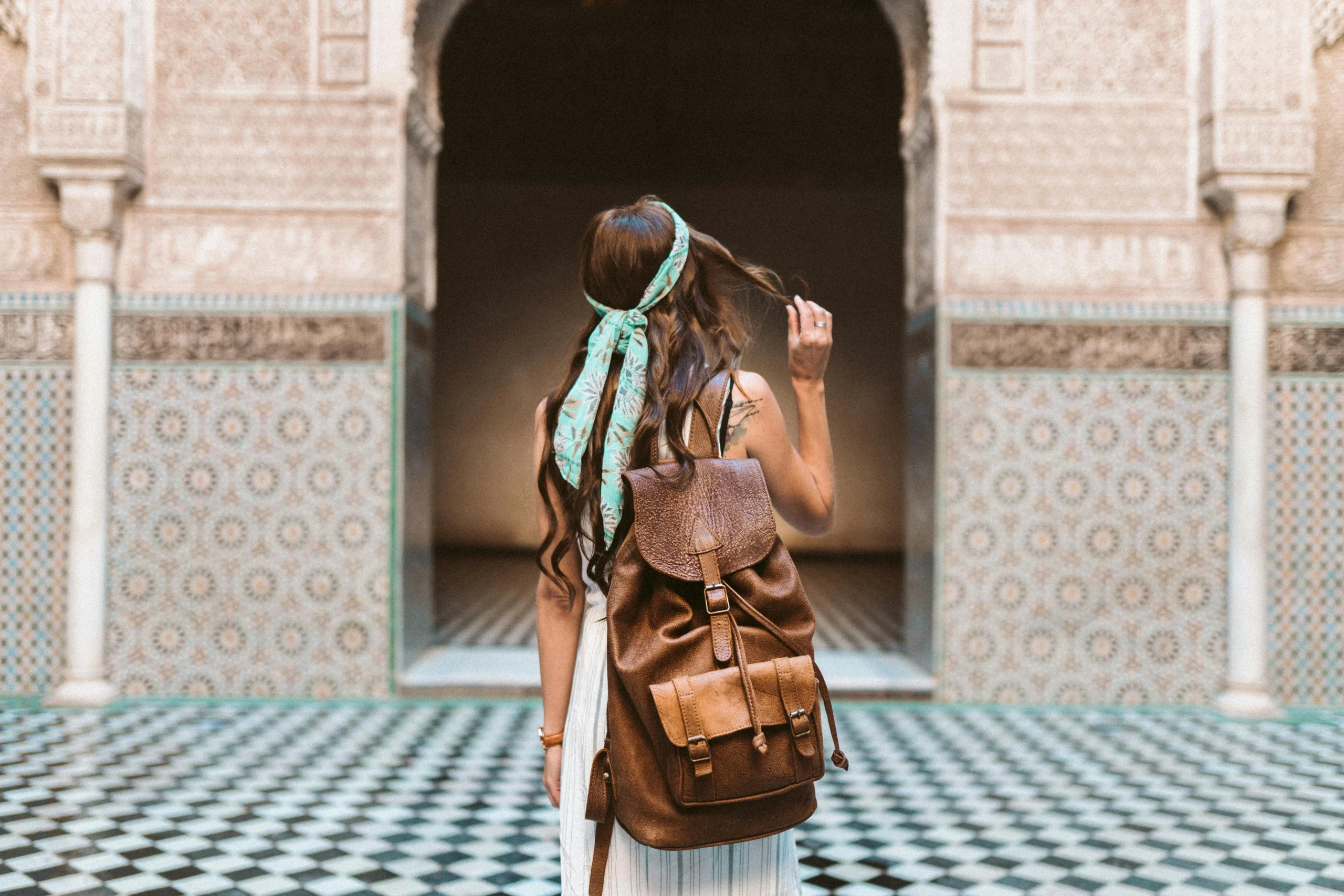
- Dress Modestly: While Morocco is more liberal than some of its neighbors, dressing conservatively is generally appreciated, particularly in rural areas.
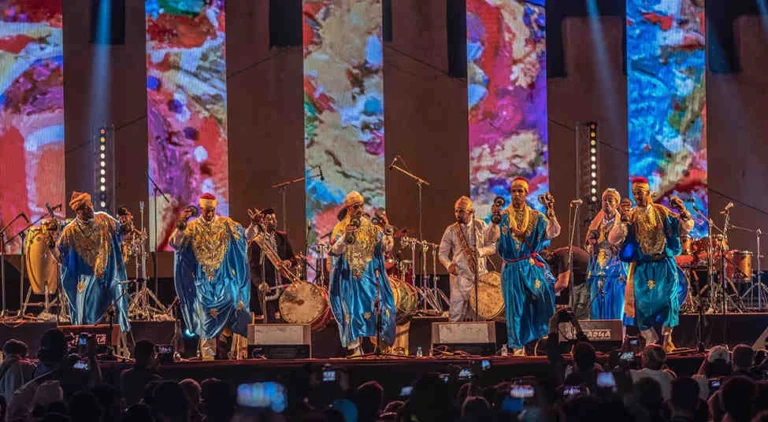
- Respect Local Customs: Engaging with local customs and traditions, especially during religious periods like Ramadan, can foster goodwill and mutual respect.
Transportation Considerations
Navigating Morocco can be efficient and safe if you follow these guidelines:
- Public Transport: Trains connecting major cities are typically safe and comfortable. However, be mindful of your belongings, especially during peak travel hours.
- Taxis: Always use registered taxis or rideshare apps like Careem, and confirm prices beforehand for a safer experience.
What to Do in Case of an Emergency
Despite your best efforts, emergencies can occur. Here’s what to do:
- Emergency Contacts: Keep a list of emergency contacts, including local authorities, your embassy, and health service providers.
- Stay Calm: In the event of an incident, remaining calm can help resolve the situation more effectively.
Conclusion: Enjoying a Safe Journey in Morocco
In conclusion, Morocco is a destination ripe with adventure and culture, and with the right precautions, your visit can be both safe and enjoyable. The country’s commitment to tourism safety continues to foster a positive environment for travelers. Remember to stay informed, respect local customs, and embrace the vibrant Moroccan culture as you explore this magnificent country.
Call to Action
Ready to embark on your Moroccan adventure? Contact us at DELEGG for personalized travel tips and assistance in planning your journey! Our expertise in operational efficiency and task delegation can help ensure your travel preparations are as seamless as possible. Safe travels!