Essential Clothing Tips for Comfort in Morocco
What to Wear in Morocco: A Guide to Cultural Sensitivity and Comfort
Estimated Reading Time: 5 minutes
- Understanding cultural significance in clothing is essential for respectful travel.
- Different regional variations dictate attire in urban and rural settings.
- Seasonal considerations are key to comfort during your visit.
- Practical tips help you blend personal style with cultural norms.
- Respecting local traditions enhances your travel experience and fosters goodwill.
Table of Contents
- Understanding the Cultural Significance of Clothing
- Regional Variations
- Seasonal Considerations
- Practical Tips for Men and Women
- Highlighting Personal Style Within Cultural Norms
- Call to Action
- Conclusion
- FAQ
Understanding the Cultural Significance of Clothing
Morocco is a country renowned for its rich culture, vibrant markets, and stunning landscapes. Clothing in Morocco is not merely a matter of personal style; it is intertwined with cultural identity, social norms, and religious beliefs. For travelers, being aware of the local dress code is essential to blend in and navigate social situations respectfully.
Regional Variations
Morocco is a nation comprised of varied landscapes — from the bustling streets of Marrakech to the tranquil beaches of Essaouira and the Sahara Desert’s vast expanses. Each region has its subtle nuances in clothing styles, and understanding these differences can enhance your travel experience.
- Urban Centers: In major cities like Casablanca, Marrakech, and Rabat, locals tend to wear both traditional and modern clothing. Men may wear trousers and collared shirts, while women can opt for long skirts or dresses paired with cardigans or scarves.
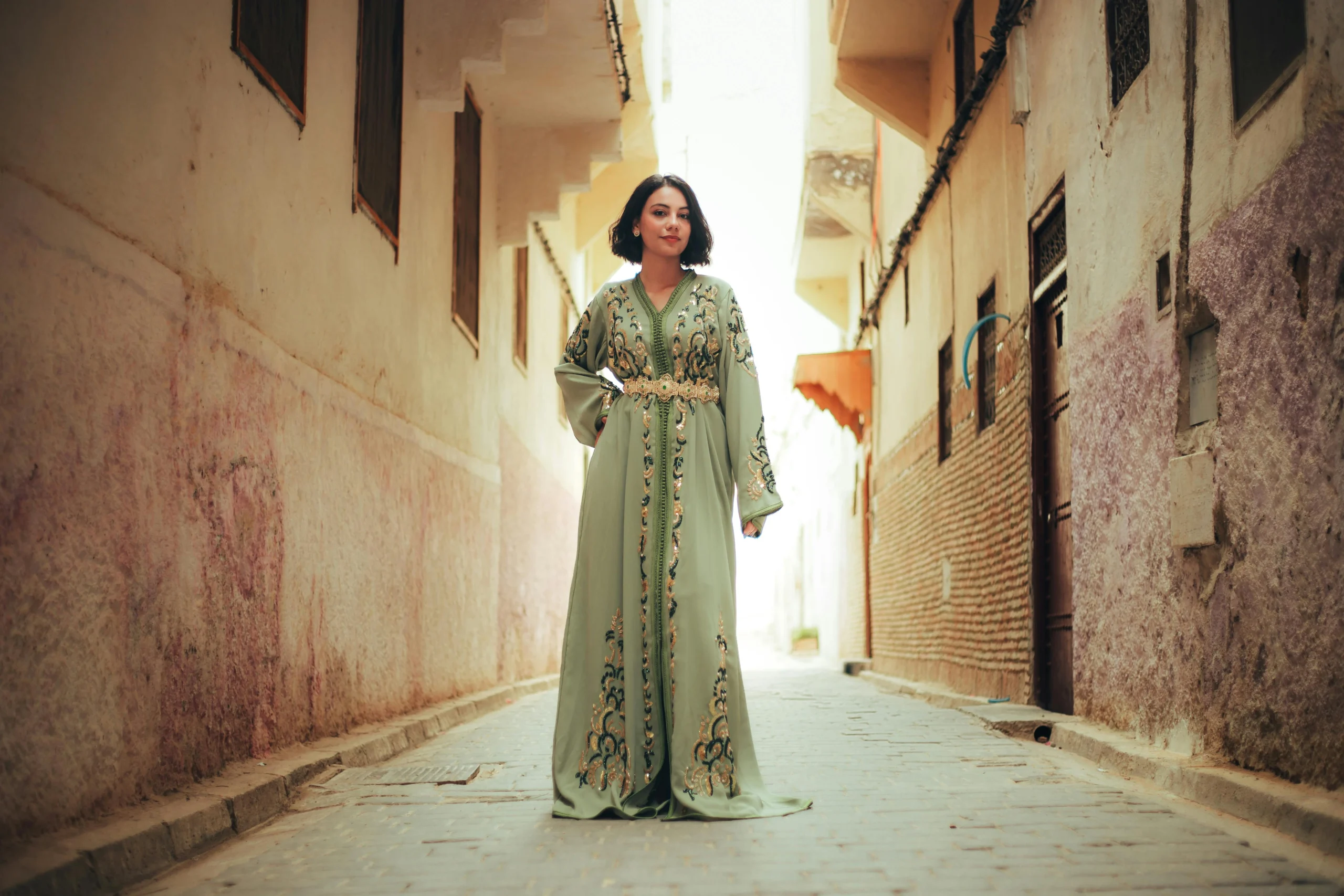
- Rural Areas: In more rural regions, it is advisable to stick closely to traditional clothing styles. Long, flowing garments for women such as the jellaba, which is not only modest but also comfortable in the heat, are recommended.
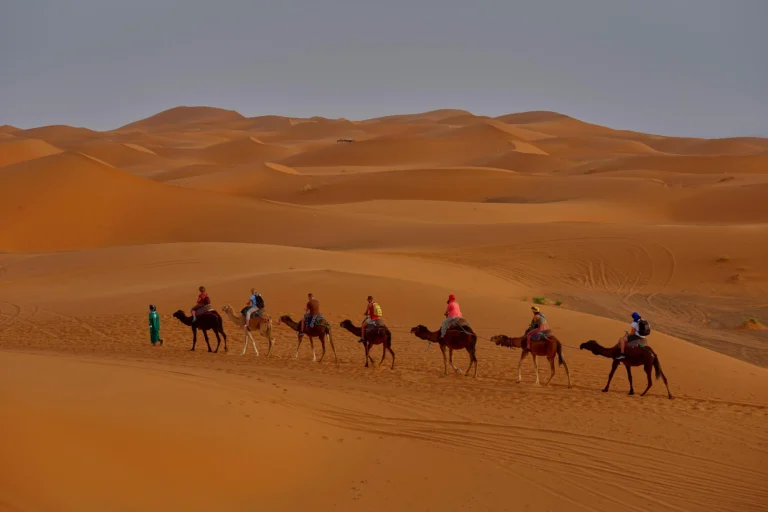
- The Desert: In the Sahara, lightweight clothing made from breathable fabrics is essential to handle the heat. Layers are vital due to significant temperature shifts between day and night.
Seasonal Considerations
When determining what to wear in Morocco, it is also important to consider the season during your visit. The country experiences hot summers and mild winters, with significant variations in temperature depending on the region.
- Summer (June to August): Expect scorching temperatures, especially in inland areas. Lightweight, loose-fitting clothes made from cotton or linen are best.
- Autumn (September to November): This is a lovely time to visit Morocco, with milder temperatures. You can layer your clothing for fluctuating day-to-night temperature changes.
- Winter (December to February): Winters can be surprisingly cold. Layering is key, as well as packing warmer clothing.
- Spring (March to May): Spring brings pleasant temperatures and blooming flora. Light layers work well.
Practical Tips for Men and Women
For Women:
- Opt for knee-length skirts or long pants, paired with long-sleeved tops.
- While tourists may wear sleeveless tops in some areas, it’s recommended to have a light scarf or shawl to throw on when entering religious sites.
- With many markets and old cities being walkable, choose comfortable shoes.
For Men:
- Collared shirts or polo shirts are acceptable. Lightweight materials work best for comfort.
- Men should avoid overly short shorts and instead stick with knee-length options.
- A sun hat is practical for outdoor explorations, while sunglasses can protect your eyes during the sunny days.
Highlighting Personal Style Within Cultural Norms
While it’s essential to respect local customs, travelers can still express their personal style within these guidelines. Bright colors and patterns are typical and appreciated, reflecting Morocco’s vibrant culture.
Call to Action
As you prepare for your journey to Morocco, remember that respecting local traditions enhances your travel experience and fosters goodwill with the local community. At DELEGG, we understand the importance of cultural sensitivity in travel and how preparation can ease your journey. If you’re looking for more personalized travel advice or need assistance with travel planning, don’t hesitate to reach out to us.
Conclusion
Understanding what to wear in Morocco is about more than just comfort; it’s about respecting a vibrant and diverse culture. By being mindful of regional customs, seasonal variations, and personal style, you can ensure an enjoyable trip that honors the traditions of the Moroccan people.
FAQ
Q: Can I wear shorts in Morocco?
A: It is advisable to wear knee-length shorts and avoid excessively short ones.
Q: Is it acceptable for women to wear sleeveless tops?
A: While it is sometimes acceptable, having a light scarf or shawl is recommended for entering religious sites.
Q: What type of footwear should I bring?
A: Comfortable shoes like flat sandals or supportive sneakers are ideal for walking in markets and old cities.
Q: How should I dress in rural areas?
A: Stick closely to traditional clothing styles like long, flowing garments for women and loose-fitting trousers for men.
Q: Can I express my personal style while respecting local customs?
A: Yes, you can incorporate bright colors and patterns while adhering to local dress codes.