Essential Travel Tips for Exploring Morocco
Essential Morocco Travel Tips: Your Comprehensive Guide to an Unforgettable Journey
Estimated Reading Time: 7 minutes
- Understanding and respecting Moroccan culture
- Staying safe while traveling in Morocco
- Packing essentials for your Moroccan adventure
- Navigating money matters and local currency
Table of Contents
- Understanding Moroccan Culture
- Safety in Morocco: What You Need to Know
- Packing Essentials for Morocco
- Understanding Money Matters in Morocco
- Final Thoughts
Understanding Moroccan Culture
A cornerstone to enjoying your time in Morocco is understanding its diverse culture. Morocco is a melting pot of Berber, Arab, and French influences, each contributing uniquely to its customs, traditions, and lifestyle. Here are some essential cultural insights:
- Language Awareness: While Arabic and Amazigh (Berber) are the official languages, many Moroccans, especially in urban areas, speak French. Learning a few basic phrases in Arabic or French can help you connect with locals and greatly enhance your interactions.
- Etiquette Matters: Moroccans are known for their hospitality, and familiarizing yourself with local customs can go a long way. Greeting with a “Salam Alaikum” (peace be upon you) is a polite start. When meeting someone, use your right hand for handshakes and gestures, as the left hand is traditionally considered unclean.
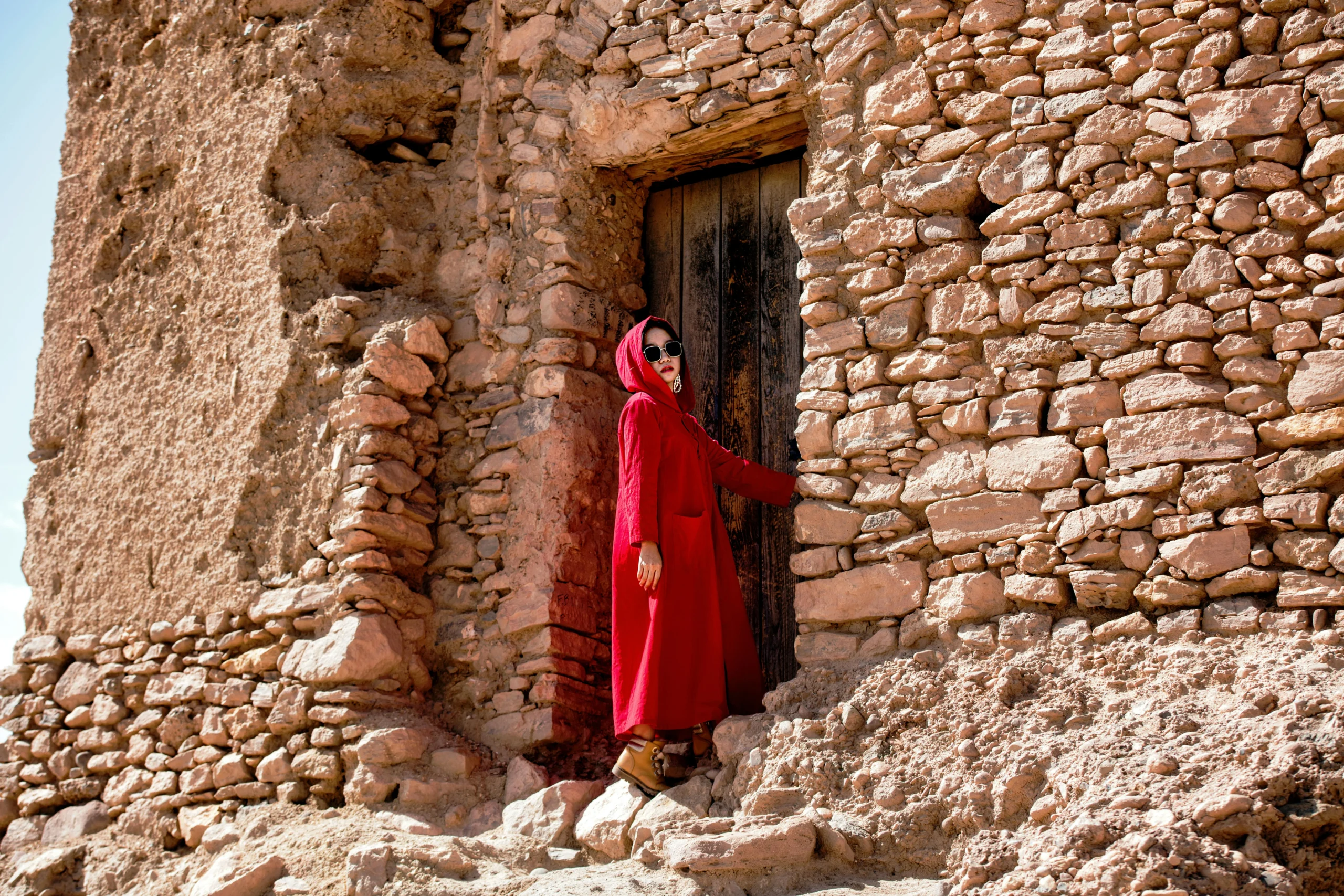
- Dress Code: Morocco is a conservative country, and dressing modestly will help you blend in and show respect for local cultural norms. Women should consider wearing loose-fitting clothes that cover the shoulders and knees. A light scarf can also be handy for certain places like mosques.
- Dining Etiquette: Meals in Morocco are communal. When invited to someone’s home, it’s customary to bring a small gift, such as pastries or fruit. When eating, it’s polite to use your right hand, and do not rush through meals; enjoying the process is key in Moroccan culture.
Safety in Morocco: What You Need to Know
Safety is paramount in any travel experience, and Morocco is no exception. While it is generally a safe destination for tourists, being aware of your surroundings and taking necessary precautions can help ensure a hassle-free trip:
- Stay Informed: Regularly check travel advisories from reputable sources such as the U.S. Department of State and the UK Foreign Office for the latest information on safety in Morocco.
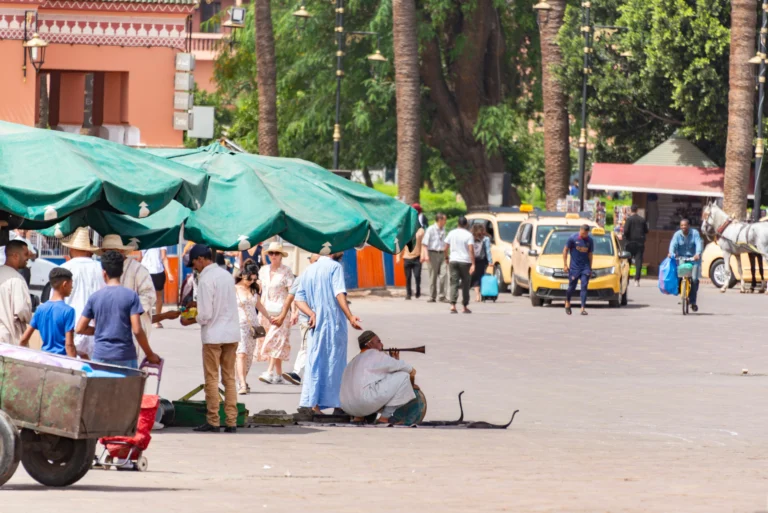
- Avoiding Scams: As in many tourist hotspots, there are individuals who may approach you with intentions that are not always genuine. Be cautious of overly friendly locals offering unsolicited help, especially around busy markets.
- Transportation Safety: While taxis can be a convenient option, it’s essential to use official taxis or apps like Uber to avoid being overcharged. Always negotiate taxi fares before starting your journey if a meter is not used.
- Emergency Contacts: Familiarize yourself with local emergency numbers (e.g., 19 for police, 19 for fire services). Knowing how to contact your embassy in case of emergencies can also be useful.
Packing Essentials for Morocco
Knowing what to pack can greatly enhance your travel experience by ensuring that you’re prepared for various situations. Here are essential items to include in your Moroccan travel kit:
- Lightweight Clothing: Due to Morocco’s climate, breathable fabrics like cotton are ideal. Don’t forget layers for cooler evenings or mountainous regions.
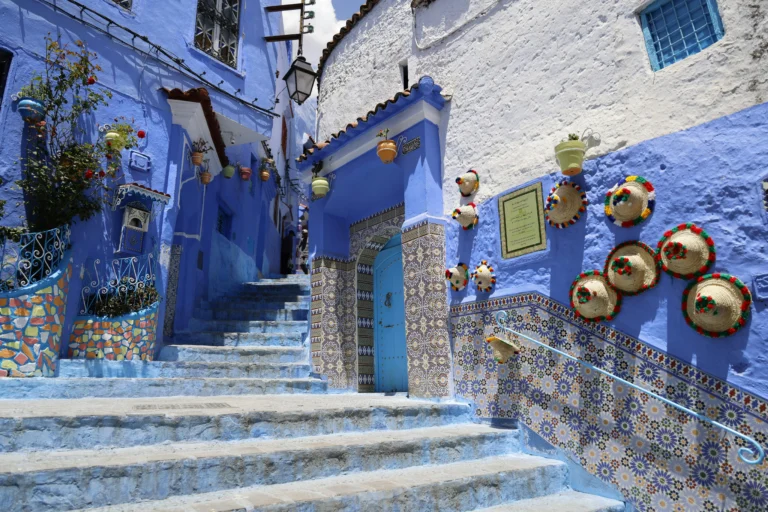
- Comfortable Shoes: Prepare for plenty of walking, especially in narrow, winding streets like those found in the medinas. Comfortable walking shoes or sandals are a must.
- Adapter Plug: Morocco uses the Europlug standard, so be sure to bring necessary adapters for your electronic devices.
- First Aid Kit: Having basic medications for minor ailments can save you time and trouble. Don’t forget your prescription medications and any specific items you may need.
- Reusable Water Bottle: Stay hydrated while also being environmentally conscious. Opt for a reusable bottle, but ensure you’re drinking bottled or filtered water.
Understanding Money Matters in Morocco
Having a good grasp of currency and money management while traveling in Morocco will allow you to navigate expenses more effectively:
- Currency Exchange: The Moroccan Dirham (MAD) is the local currency. It’s advisable to exchange a small amount of money before you arrive. However, ATMs are widely available in larger cities, and most accept international debit and credit cards.
- Bargaining Skills: In local markets (souks), haggling is expected and often part of the experience. Start by offering about half of the initial price and negotiate from there.
- Local Banking Hours: Banks generally open from 8:30 AM to 3 PM, so plan your activities accordingly. While currency exchange counters do have longer hours, it’s wise to exchange some cash in advance.
- Tipping Culture: Tipping is common and appreciated in Morocco. A typical tip for servers is around 10-15%, while rounding up taxi fares is a common practice.
Final Thoughts
Traveling to Morocco offers a uniquely enriching experience, from exploring ancient medinas and snow-capped mountains to indulging in aromatic cuisine. By adhering to these essential travel tips covering culture, safety, packing, and money matters, you can enjoy a more rewarding and authentic journey.
At DELEGG, we appreciate the complexities of travel and the benefits of being well-prepared. Our services aim to streamline your experiences, allowing you to focus on what truly matters—exploring and making memories. If you’re looking to enhance your business or personal travel endeavours through expert task delegation or other support services, contact us today to discover how we can assist you!
FAQ
Q: What is the best time to visit Morocco?
A: The best time to visit Morocco is during the spring (March to May) and fall (September to November) when the weather is mild and pleasant.
Q: Do I need a visa to enter Morocco?
A: Visa requirements vary by nationality. It’s advisable to check with your local Moroccan embassy to confirm any necessary visa arrangements.
Q: Is it safe to travel alone in Morocco?
A: Yes, Morocco is generally safe for solo travelers, but it’s always best to stay alert and follow local safety tips to ensure a smooth experience.