Places to visit in Morocco: 15 Must-See Destinations
When planning a journey that promises a tapestry of vibrant culture, stunning landscapes, and rich history, the best places to visit in Morocco should be at the top of your list. Picture yourself wandering through the bustling souks of Marrakech, where the air is filled with the scent of spices and the sounds of artisans crafting their wares.
Moreover, imagine gliding over the golden dunes of the Sahara as the sun sets, casting a warm glow over the endless sands. From the imperial cities steeped in history to hidden coastal gems waiting to be explored, Morocco offers an unforgettable adventure that beckons travelers to uncover its many treasures.
Introduction to Morocco’s Rich Heritage
Morocco is a land of contrasts, where ancient traditions blend seamlessly with modern influences. Its vibrant culture draws from a rich tapestry of Berber, Arab, and French influences, creating a unique experience for travelers. As you explore the country, you’ll find that its heritage is not only visible in its architecture and art but also in the daily lives of its people.
Overview of Moroccan Culture
Moroccan culture is characterized by its welcoming hospitality and a profound respect for tradition. The country is known for its vibrant souks, where artisans sell handwoven textiles, intricate pottery, and exquisite jewelry. The diverse population, comprising of various ethnic groups, contributes to a colorful cultural mosaic that is evident in festivals, cuisine, and music.
- ✓Food: Moroccan cuisine is renowned for its bold flavors, with dishes such as tagine and couscous being staples.
- ✓Music: Traditional music forms like Gnawa and Andalusian can be heard in cities and at festivals.
- ✓Festivals: Events such as the Marrakech Popular Arts Festival celebrate the country’s artistic heritage.
Music and dance are integral to Moroccan celebrations, which often feature lively performances that showcase the country’s rich oral traditions. These events provide an opportunity to experience Moroccan culture firsthand and to engage with the local community.
Historical Significance of Cities
Morocco’s cities are living museums, each telling a story of its own. The imperial cities of Marrakech, Fes, Meknes, and Rabat serve as historical touchstones, showcasing the nation’s architectural prowess and political significance throughout the centuries. For instance, Fes is home to the world’s oldest university, Al Quaraouiyine, founded in 859 AD, which is still operational today. Such landmarks not only highlight Morocco’s educational legacy but also its long-standing commitment to knowledge and culture.
Each city bears the marks of its history, with UNESCO World Heritage Sites and ancient medinas that take visitors back in time. The intricate tilework, majestic palaces, and grand mosques reflect the artistry and ingenuity of past civilizations. For example, the Koutoubia Mosque in Marrakech stands as a testament to the architectural achievements of the Almohad dynasty.
Diversity of Landscapes
Beyond its historical cities, Morocco offers a stunning variety of landscapes, from the sweeping Sahara Desert to the rugged Atlas Mountains and serene coastal stretches. This geographical diversity makes it a unique destination for various activities, from trekking and mountain biking to relaxing on the beach.
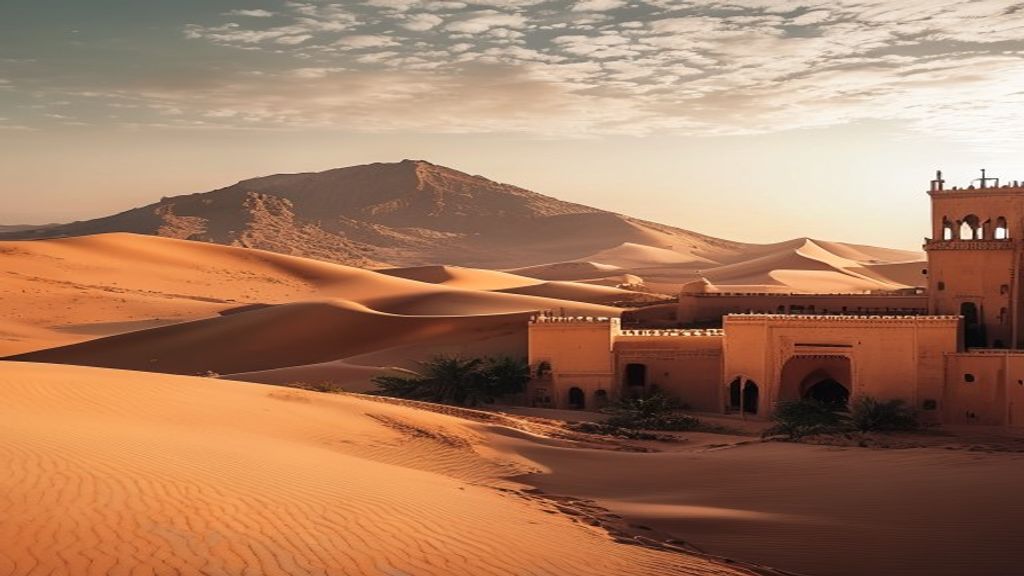
In the south, the Sahara Desert presents an opportunity for adventure seekers to experience the magic of the dunes. A popular activity is taking a camel trek, where visitors can witness breathtaking sunsets over the sand. Meanwhile, the coastal cities like Essaouira and Agadir offer beautiful beaches and a fresh seafood cuisine, attracting sun-seekers and surfers alike.
In summary, Morocco is a captivating destination that offers a rich heritage filled with cultural, historical, and natural wonders. As you plan your journey, you’ll find that the places to visit in Morocco promise an unforgettable experience, ensuring that every traveler leaves with cherished memories.
Top Imperial Cities to Visit in Morocco
Morocco is a land steeped in history, with its imperial cities serving as a testament to its rich cultural heritage. These cities not only showcase stunning architecture but also embody the spirit of the nation. Each city has its own unique character and significance, making them essential stops for anyone exploring this vibrant country.
Marrakech: The Red City
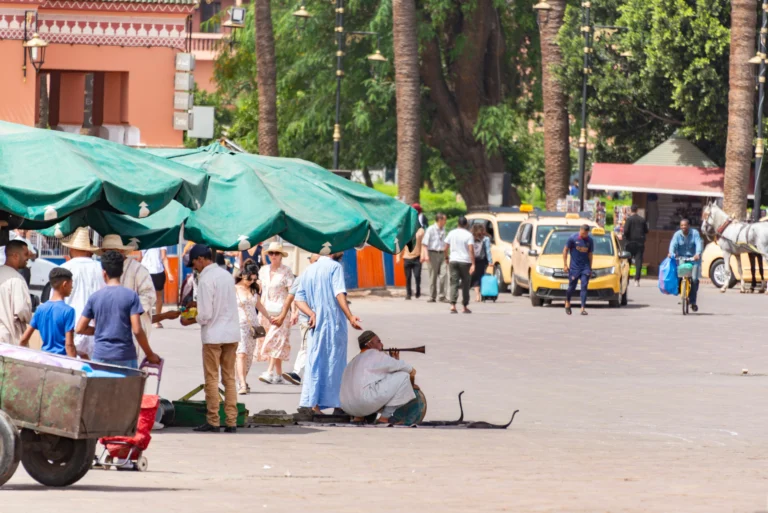
Marrakech, often referred to as the “Red City” due to its ochre-colored buildings, is a bustling metropolis that captivates visitors with its exotic charm. The city’s old medina is a UNESCO World Heritage site, filled with narrow alleyways, bustling souks, and historical landmarks. Key attractions include the iconic Koutoubia Mosque, which stands at 77 meters tall and dominates the skyline, and the vibrant Jemaa el-Fnaa square, where street performers and food vendors create a lively atmosphere.
- ✓Explore the stunning Majorelle Garden, a botanical masterpiece that attracts thousands of visitors each year.
- ✓Visit the Saadian Tombs, dating back to the 16th century, to gain insight into the Saadian dynasty.
- ✓Don’t miss the Palace of Bahia, an architectural wonder with intricate designs and lush gardens.
When visiting Marrakech, try to spend at least three days to fully immerse yourself in its rich culture and history. The city is a hub for crafts, food, and art, making it an essential stop for any traveler.
Fes: The Spiritual Heart
Fes is often regarded as the spiritual and cultural heart of Morocco. Its medina, Fes el-Bali, is one of the largest car-free urban areas in the world, offering a glimpse into medieval life. As a UNESCO World Heritage site, Fes is home to the University of Al Quaraouiyine, founded in 859 AD and recognized by UNESCO as the oldest existing degree-granting university in the world.
- ✓Wander through the tannery district, where traditional leather production methods are still used today.
- ✓Explore the stunning Bou Inania Madrasa, a masterpiece of Marinid architecture.
- ✓Visit the Mausoleum of Moulay Idriss II, the founder of Fes, to appreciate its intricate tile work.
A visit to Fes can be enriching, but it’s advisable to spend at least two to three days in the city to explore its numerous historical sites and cultural offerings. The medina’s labyrinthine streets require some time to navigate and appreciate fully.
Rabat: The Modern Capital
Rabat, the capital city of Morocco, presents a striking blend of modernity and tradition. Known for its **political importance**, Rabat offers a more laid-back atmosphere compared to its imperial counterparts. Key attractions include the Hassan Tower, an unfinished mosque built in the 12th century, and the Mausoleum of Mohammed V, which showcases exquisite craftsmanship and serves as the final resting place for the Moroccan royal family.
- ✓Stroll along the picturesque Bouregreg Marina for a taste of modern Moroccan life.
- ✓Explore the Kasbah of the Udayas, a historic fortification that dates back to the 12th century.
- ✓Visit the Royal Palace, the official residence of the King of Morocco.
Rabat is perfect for a short visit, typically one to two days, allowing travelers to experience its unique blend of history and modern life. The city’s more relaxed pace makes it an ideal stop to reflect on the beauty of Moroccan culture.
These imperial cities provide a glimpse into Morocco’s storied past and vibrant present. For a deeper understanding of their historical significance, you can visit the Wikipedia page on imperial cities in Morocco. Each city offers unique experiences that are sure to enrich your journey through this fascinating country.
The Best Desert Dunes to Explore
Morocco’s desert landscapes offer some of the most breathtaking vistas on the planet. The vast stretches of sand, unique geological formations, and stunning sunsets create an unforgettable experience for adventurers and nature enthusiasts alike. Here, we’ll explore three of the best desert dune regions in Morocco: Merzouga, Erg Chebbi, and Zagora.
Merzouga: The Gateway to the Sahara
Merzouga is often considered the starting point for those looking to delve into the Sahara Desert. This small village, located near the border with Algeria, is easily accessible from major cities like Marrakech and Fes. The journey typically takes around 9 hours by car, making it a prime overnight trip destination.
The main attraction in Merzouga is its proximity to the Erg Chebbi dunes, which are known for their towering heights of up to 150 meters. Here, visitors can experience a range of activities, including:
- ✓Camel trekking: Embark on a guided ride during sunrise or sunset, where the golden sands are illuminated in spectacular hues.
- ✓Sandboarding: Glide down the slopes of the dunes for an adrenaline-pumping experience.
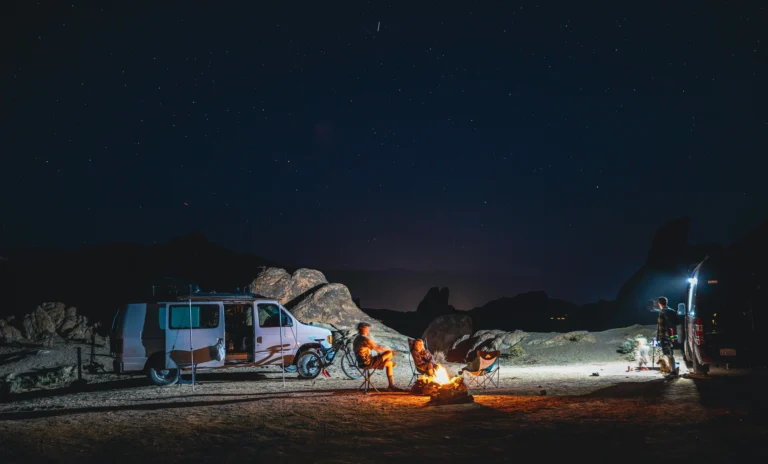
- ✓Overnight camping: Spend a night under the stars in a traditional Berber tent, often accompanied by local music and cuisine.
Erg Chebbi: Iconic Sand Dunes
Erg Chebbi is one of the most famous dune systems in Morocco, attracting thousands of visitors each year. These dunes stretch approximately 22 kilometers in length and 5 kilometers in width, featuring shifting sands that create a mesmerizing landscape.
To make the most of your visit to Erg Chebbi, consider joining a guided tour that includes:
- ✓4×4 excursions: Explore the surrounding areas and visit ancient oases, hidden villages, and nomadic camps.
- ✓Photography tours: Capture the stunning contrasts of light and shadow on the dunes, particularly during the golden hour.
- ✓Star-gazing: The clear desert skies offer some of the best star-gazing opportunities in the world.
For those seeking a unique experience, participating in a desert festival, such as the Merzouga International Festival, can provide an insight into local culture, music, and traditions.
Zagora: Desert Adventure Hub
Located further south than Erg Chebbi, Zagora serves as a gateway to the Sahara and is known for its rugged landscapes and historical significance. The town is famous for the “Timbuktu 52 days” sign, which symbolizes the distance to the legendary city in Mali.
Zagora offers a slightly different desert experience, focusing more on adventure and cultural exploration. Here are some popular activities:
- ✓Quad biking: For thrill-seekers, navigating the dunes on a quad bike provides an exhilarating way to explore the desert.
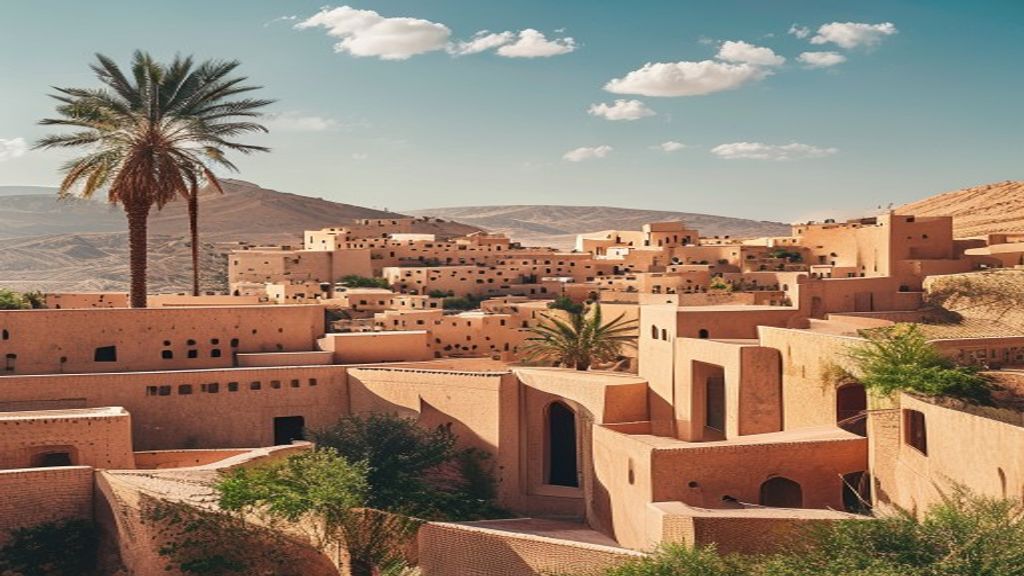
- ✓Visiting kasbahs: Discover the rich history of the region by exploring traditional mud-brick kasbahs like the impressive Kasbah de Tamnougalte.
- ✓Local markets: Experience the vibrant local culture by visiting weekly markets, where you can find handicrafts, spices, and traditional clothing.
Whether you’re trekking through the dunes, enjoying a night under the stars, or immersing yourself in local traditions, Morocco’s desert regions offer an array of experiences that are sure to leave a lasting impression. Each destination presents its unique charm, beckoning adventurers to explore the sands of time.
Hidden Coastal Gems of Morocco
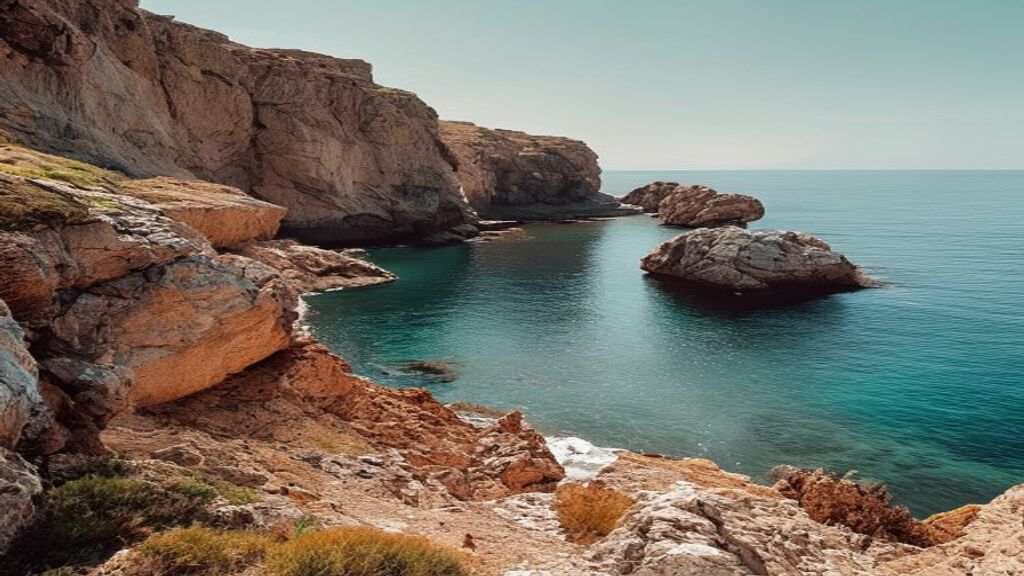
Morocco’s coastline is dotted with charming towns that often fly under the radar compared to the bustling cities and expansive deserts. These hidden gems offer stunning views, rich culture, and unique experiences for those willing to explore beyond the mainstream tourist routes. Here we dive into three of the most captivating coastal towns: Essaouira, Asilah, and Taghazout.
Essaouira: The Windy City
Essaouira, known as the “Windy City,” is a UNESCO World Heritage site famous for its well-preserved medina and vibrant arts scene. The town is located about 200 kilometers west of Marrakech, making it an ideal day trip or weekend getaway. Its coastal winds make it a hotspot for windsurfing and kitesurfing, attracting enthusiasts from around the globe.
- ✓Art and Culture: Essaouira hosts the annual Gnaoua World Music Festival, which draws thousands of visitors and features a diverse lineup of artists.
- ✓Local Cuisine: Don’t miss the opportunity to feast on freshly caught seafood at the local fish market, where you can choose your fish and have it grilled on the spot.
Visitors can explore the bustling souks, lined with artisanal shops offering everything from handcrafted jewelry to traditional carpets. The city’s vibrant blue and white architecture, coupled with its laid-back atmosphere, creates a picturesque setting perfect for relaxation.
Asilah: Artistic Coastal Town
Further north, Asilah is a lesser-known coastal town that boasts a rich artistic heritage. Located about 31 kilometers south of Tangier, Asilah is renowned for its colorful murals and annual arts festival, which transforms the town into an open-air gallery every summer.
- ✓Street Art: The town is dotted with murals created by local and international artists, making a stroll through its streets a visual treat.
- ✓Historical Sites: Explore the ramparts that date back to the 15th century, offering breathtaking views of the Atlantic Ocean.
Asilah is also famous for its sandy beaches, ideal for sunbathing and swimming. The town’s tranquil atmosphere is perfect for those looking to unwind while enjoying the stunning coastal scenery. Visit the local galleries and cafes to soak in the artistic vibe, and try the delicious seafood dishes that are a staple of the region.
Taghazout: Surfing Paradise
For surf enthusiasts, Taghazout is a must-visit destination located about 19 kilometers north of Agadir. The small fishing village has transformed into a mecca for surfers, thanks to its consistent waves and warm climate. The best time to visit is in the winter months when swells reach their peak.
- ✓Surf Schools: Taghazout offers numerous surf schools and rental shops catering to all skill levels. Beginners can take lessons from experienced instructors, while seasoned surfers can take advantage of the diverse surf spots.
- ✓Local Vibe: Enjoy the laid-back atmosphere of Taghazout, where you can find beachfront cafes serving traditional Moroccan dishes and fresh smoothies.
In addition to surfing, Taghazout is a gateway to stunning natural landscapes. Spend your days exploring the nearby Paradise Valley, where you can hike, swim in natural pools, and marvel at the lush scenery. As the sun sets, the beach transforms into a vibrant social scene, perfect for mingling with fellow travelers.
The hidden coastal gems of Morocco offer a unique blend of adventure, culture, and relaxation. Whether you’re riding the waves in Taghazout, admiring street art in Asilah, or soaking up the sun in Essaouira, these towns provide an unforgettable experience along Morocco’s stunning coastline.
How to Plan Your Trip to Morocco
Planning a trip to Morocco can be an exciting yet daunting task. This North African gem offers a rich tapestry of history, culture, and breathtaking landscapes. To make the most of your journey, it’s essential to strategically plan your itinerary, understand the best times to visit, gather necessary travel documents, and budget accordingly.
Best Time to Visit
The ideal time to visit Morocco largely depends on the activities you want to pursue. Generally, the best months to explore are from March to May and September to November. During these periods, the weather is pleasantly warm, making it suitable for both sightseeing and outdoor adventures.
In the summer months of June to August, temperatures can soar, especially in the interior regions like the Sahara, where it can exceed 40°C (104°F). However, visiting the coastal areas during this time can provide a refreshing escape. If you’re interested in winter sports, the Atlas Mountains have skiing opportunities from December to February.
Essential Travel Documents
Before embarking on your journey, ensure you have the required travel documents. Most travelers to Morocco will need a valid passport. It’s advisable for your passport to be valid for at least six months beyond your planned departure date.
Visas are typically not required for tourists from North America and many European countries for stays of up to 90 days. However, it’s wise to check the latest visa requirements based on your nationality.
Additionally, consider obtaining comprehensive travel insurance that includes coverage for medical emergencies, trip cancellations, and lost belongings. This will safeguard your trip against unforeseen circumstances.
Budgeting for Your Trip
Budgeting effectively for your trip to Morocco will enhance your travel experience. On average, travelers can expect to spend between $50 to $150 CAD per day, depending on accommodation choices and activities. Here’s a rough breakdown:
- ✓Accommodation: Ranges from budget hostels at about $20 CAD per night to luxury hotels costing upwards of $200 CAD.
- ✓Food: Street food and local restaurants provide meals for as low as $5 CAD, while dining at upscale establishments can run between $20 to $50 CAD.
- ✓Transportation: Expect to spend around $10 to $30 CAD for local transport via buses or taxis. For longer distances, consider trains or rental cars, which can vary significantly based on the route.
When budgeting, always include a buffer for unexpected expenses and activities like guided tours or excursions to explore some of the best places to visit in Morocco.
Finally, booking flights in advance can save significant costs. Use comparison websites to find the best deals, and consider flying into larger cities like Casablanca or Marrakech, which often provide more competitive fares.
With these practical steps, you can effectively plan your trip to Morocco, ensuring a rewarding and memorable adventure.
Navigating Transportation in Morocco
Understanding how to get around Morocco is crucial for a seamless travel experience. With diverse landscapes ranging from bustling cities to serene deserts, Morocco offers various transport options catering to different budgets and preferences.
Local Transport Options
In urban areas, public transport is efficient and affordable. Major cities like Marrakech and Casablanca have extensive bus systems. Tickets typically cost around 6-10 MAD (approximately $0.60-1.00 CAD), making it an economical choice for travelers. However, buses can be crowded, especially during peak hours.
For a more comfortable experience, consider taxis. There are two types: petit taxis (small taxis) that operate within city limits and grand taxis that travel longer distances between cities. Petit taxis usually have a starting fare of 7 MAD (about $0.70 CAD) and charge based on the meter. It’s important to ensure the meter is running, or agree on a fare beforehand.
Renting a Car vs. Public Transport
Renting a car offers the freedom to explore Morocco at your own pace. Major rental companies like Hertz and Europcar have locations in key cities. Expect to pay around $30-60 CAD per day for a standard vehicle, plus fuel costs. Keep in mind that driving is on the right side of the road, and road conditions can vary significantly.
On the other hand, public transport, particularly the ONCF train service, is reliable for intercity travel. For example, taking the train from Casablanca to Marrakech costs around 100 MAD (approximately $10 CAD) and takes about 2.5 hours. This is a scenic and convenient option if you prefer not to drive.
Safety Tips for Travelers
While Morocco is generally safe for tourists, caution is always advisable. Here are some essential safety tips:
- ✓Stay aware of your surroundings: Be mindful of your belongings and avoid displaying expensive items.
- ✓Use registered taxis: Only take taxis from designated taxi stands and ensure they are properly licensed.
- ✓Keep emergency numbers handy: Familiarize yourself with local emergency contacts, such as the police (19) and ambulance (15).
When navigating through rural areas or the Sahara, consider joining an organized tour. Many companies provide transport, guides, and accommodation, enhancing the experience while ensuring safety.
In summary, whether you opt for public transport, car rental, or guided tours, Morocco’s transportation options cater to a wide range of preferences. Planning ahead and remaining vigilant can enhance your travel experience, allowing you to focus on the beauty and culture that this enchanting country has to offer.
Cultural Etiquette and Local Customs
Understanding the local customs and cultural etiquette in Morocco is essential for a respectful and enriching travel experience. Moroccan culture is a beautiful blend of Berber, Arab, and French influences, and embracing these traditions can help foster meaningful connections with locals.
Understanding Moroccan Hospitality
Moroccans are renowned for their exceptional hospitality. When visiting a local’s home, it is customary to greet the host with a polite “Salam Alaikum” (Peace be upon you). Guests are often offered mint tea, a symbol of hospitality, and it is considered polite to accept this gesture. If you find yourself in a situation where you are invited for a meal, it’s customary to bring a small gift, such as pastries or fruit, to thank your hosts.
It’s also important to remember that hospitality in Morocco often comes with a strong emphasis on warmth and personal connection. Engage in conversation, ask about their traditions, and show genuine interest. This can significantly enhance your experience and may even open doors to more in-depth cultural insights.
Dress Code and Behavior
While Morocco is relatively liberal compared to some other Muslim-majority countries, it is advisable to dress modestly, especially in rural areas and religious sites. For women, wearing a long skirt or loose-fitting trousers and a top with sleeves is recommended. Men should also avoid wearing shorts in traditional settings.
- ✓Avoid clothing that is too revealing.
- ✓Choose breathable fabrics to cope with the warm climate.
- ✓In religious sites, it’s respectful to cover your head (women) and remove your shoes.
Additionally, public displays of affection are generally frowned upon. A basic understanding of local customs regarding gender interaction is essential. For instance, avoid shaking hands with women unless they extend their hand first. Respect personal space and be mindful of body language, which can vary significantly from Western norms.
Dining Etiquette
Meals in Morocco are a communal experience, often centered around a large platter of food. Traditionally, diners will eat with their right hand, as the left hand is considered unclean. If you’re unsure how to proceed, follow the lead of your host. It’s also polite to take a small bite of the food offered, as it shows appreciation for the meal prepared.
When dining, you might encounter a tagine, a slow-cooked stew, or couscous, which is a national dish. It is customary to finish all the food on your plate to avoid offending the host. If you cannot finish your meal, you may want to express your gratitude verbally or ask for a small portion next time.
Finally, when it comes to tipping, a common practice in Morocco is to leave around 10% to 15% of the bill in restaurants. For smaller services, round up to the nearest dirham or leave a few coins. This small gesture can mean a lot to the service staff.
By being mindful of these cultural etiquettes and local customs, you will not only show respect to your Moroccan hosts but also enrich your travel experience as you engage more deeply with the vibrant culture that the country has to offer.
Common Pitfalls to Avoid While Traveling in Morocco
Traveling to Morocco can be an exciting and enriching experience, but it’s essential to be aware of some common pitfalls that could turn your trip into a hassle. By understanding these challenges ahead of time, you can navigate the vibrant culture and stunning landscapes with ease. Here are a few crucial areas to consider:
Scams and Tourist Traps
Morocco attracts millions of tourists each year, which unfortunately opens the door to various scams. One common scenario involves unofficial tour guides or locals offering unsolicited assistance, often leading you to overpriced shops or restaurants. To avoid this:
- ✓Research credible tour guides and services ahead of time.
- ✓Be cautious of overly friendly strangers who may have ulterior motives.
- ✓Always agree on prices before accepting any service, such as a ride or a meal.
For example, in busy markets like Marrakech’s Souk, you may encounter individuals trying to lure you into their shops. A polite but firm “no, thank you” usually suffices.
Misunderstanding Local Culture
Morocco is rich in culture, but failing to understand local customs can lead to uncomfortable situations. Moroccan culture places a high value on respect and hospitality, so it’s crucial to be mindful of social norms. For instance, avoid discussing sensitive topics such as politics or religion, as these can lead to heated debates.
Another aspect to be aware of is dress code. While Morocco is more liberal than some neighboring countries, modest attire is appreciated, particularly in rural areas and religious sites. Men should avoid wearing shorts, while women should consider wearing dresses that cover the knees and shoulders. This cultural sensitivity can enhance your experience and interactions with locals.
Overpacking Essentials
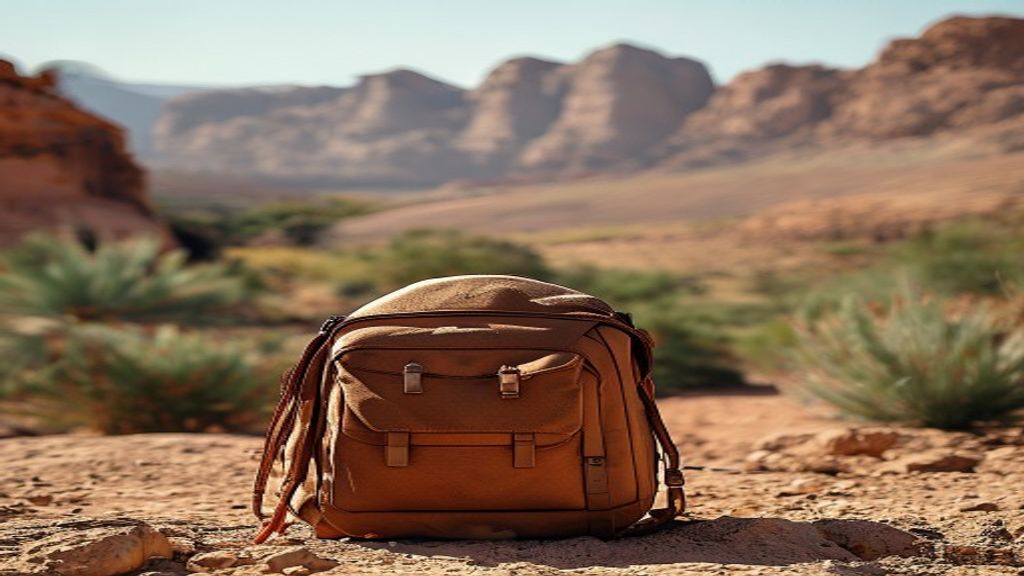
Traveling light is often a wise decision, especially in Morocco where you may find yourself navigating narrow streets, bustling markets, and uneven terrain. Overpacking can lead to discomfort and inconvenience. Aim to limit your luggage to essential items:
- ✓Bring lightweight, breathable clothing suitable for warm days and cooler evenings.
- ✓Pack a reliable pair of walking shoes; you’ll do a lot of exploring on foot.
- ✓Include a small first-aid kit with essentials like band-aids and pain relievers.
For example, a versatile scarf can serve multiple purposes: protecting you from the sun, covering your shoulders in temples, or providing warmth during cooler nights. By keeping your packing list minimal, you’ll find it easier to adapt to the different environments you encounter.
In sum, avoiding these common pitfalls can significantly enhance your Moroccan adventure. By being aware of potential scams, respecting local customs, and packing wisely, you can focus on enjoying all that this incredible country has to offer. From the bustling markets to the serene desert dunes, your trip is sure to be memorable when approached with the right mindset.
Final Thoughts on the Best Places to Visit in Morocco
As we wrap up this exploration of Morocco’s varied landscapes and rich culture, it’s clear that this North African gem offers something for every traveler. From the bustling souks of Marrakech to the serene beaches of Essaouira, the experiences are as diverse as the regions themselves. These highlights form a tapestry of adventure that beckons you to explore deeper.
Recap of Highlights
Throughout this article, we have journeyed through some of the best places to visit in Morocco. Key highlights include:
- ✓The historic streets of Fes, where centuries of tradition come alive.
- ✓The breathtaking Sahara Desert, perfect for a sunset camel trek.
- ✓The stunning architecture of the imperial cities, such as Marrakech and Rabat.
- ✓The coastal charm of Essaouira, a haven for surfers and artists alike.
- ✓The Atlas Mountains, offering trekking routes for adventurers.
Each of these locations presents a unique opportunity to immerse yourself in Morocco’s rich history and vibrant culture, making them essential stops on your journey.
Personal Recommendations
When planning your visit, I highly recommend allocating at least two weeks to experience the diversity of Morocco fully. Start in Marrakech, where you can take in the sights of the Medina and the iconic Koutoubia Mosque. From there, consider a road trip to the Sahara, stopping at places like Ouarzazate and the Todra Gorge for stunning desert vistas.
If you’re pressed for time, don’t miss a day trip to the coastal town of Essaouira, famous for its relaxed vibe and fresh seafood. For those interested in culture, a guided tour in Fes will unlock the secrets of its ancient medina and artisan workshops.
Encouragement to Explore
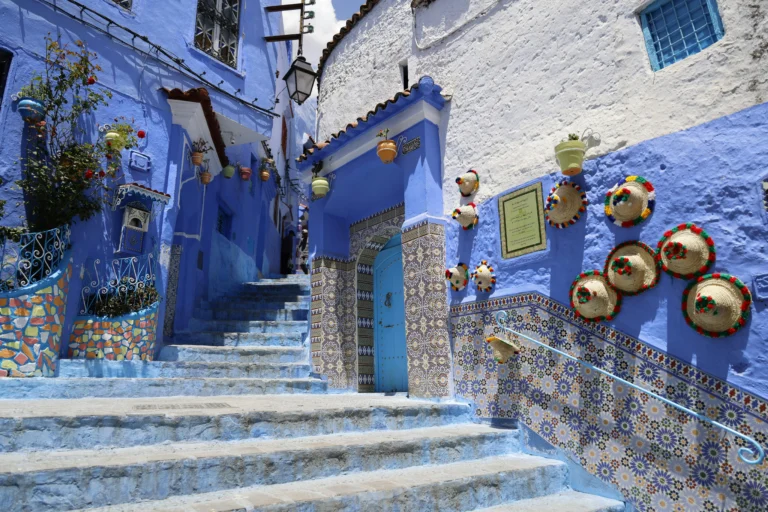
Morocco is more than just a destination; it’s an invitation to engage with its people, taste its cuisine, and embrace its traditions. Whether you are wandering the narrow alleys of Chefchaouen or marveling at the intricate tile work of the Royal Palace in Rabat, each moment is an opportunity for discovery.
As you prepare for your adventure, remember to keep your itinerary flexible to allow for spontaneous experiences. Interacting with locals can lead to unique insights and recommendations that you won’t find in any guidebook. Whether it’s trying freshly baked bread in a rural village or dancing to traditional music at a local festival, these moments often become the highlights of your trip.
Ultimately, Morocco is a land of contrasts, where the ancient and modern coexist beautifully. So pack your bags, grab your camera, and embark on a journey that promises to be unforgettable. The magic of Morocco awaits you!