Discover Essential Tips for Your Sahara Adventure
Sahara Desert Travel Tips: Navigate Your Adventure with Confidence
Estimated reading time: 6 minutes
- Research your route and destinations.
- Choose the right time to visit.
- Prepare for the elements.
- Embrace desert safety.
- Engage with local culture.
Table of Contents
- 1. Research Your Route and Destinations
- 2. Choose the Right Time to Visit
- 3. Prepare for the Elements
- 4. Embrace Desert Safety
- 5. Engage with Local Culture
- 6. Plan for Accommodations
- 7. Equip Yourself with Essential Gear
- 8. Create a Flexible Itinerary
- 9. Take Time to Reflect and Enjoy
- Conclusion
- FAQ
1. Research Your Route and Destinations
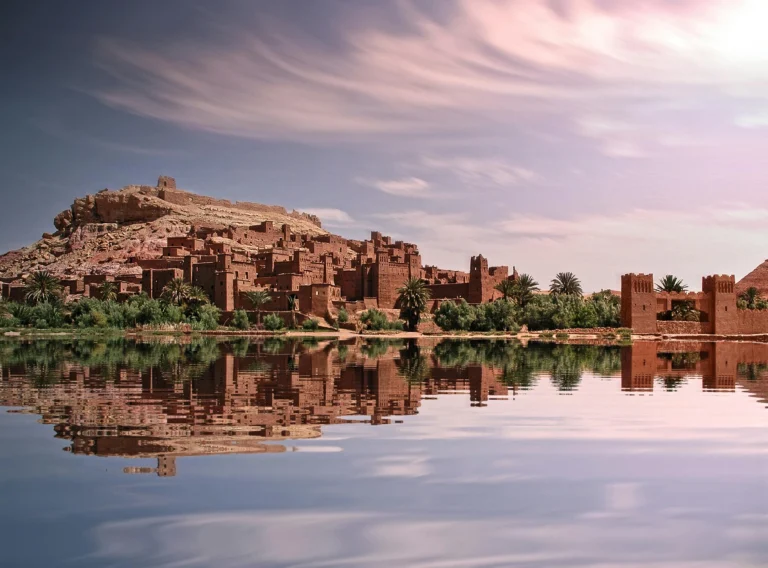
Before embarking on your journey, it’s essential to research the specific regions of the Sahara you plan to explore. The desert spans several countries, including Morocco, Algeria, Tunisia, Libya, Mali, Niger, and Egypt, each offering unique attractions and experiences:
- Erg Chebbi, Morocco: Renowned for its striking orange dunes, perfect for camel trekking and sunset views.
- The Great Sand Sea, Libya: Famous for its towering dunes and ancient rock art.
- Siwa Oasis, Egypt: A cultural gem known for its traditional Berber architecture and palm groves.
While some areas are accessible with guided tours, others might be less safe or challenging to navigate without local expertise. Familiarizing yourself with your destinations helps you understand local customs and entry requirements, making your journey smoother.
2. Choose the Right Time to Visit
The Sahara experiences extreme temperatures, so timing your visit is crucial. The best months to explore the Sahara are generally from October to April when daytime temperatures are milder, and nights can be refreshingly cool. Here are some seasonal insights:
- Fall (October to November): Ideal for experiencing clear skies and moderate temperatures, making it perfect for outdoor activities.
- Winter (December to February): This is the coldest period; pack adequately to stay warm during the chilly nights.
- Spring (March to April): A great time for blooming desert flora, providing stunning contrasts against the vast dunes.
Avoid the summer months (June to September), as temperatures can soar above 50°C (122°F), making any travel extremely uncomfortable and often dangerous.
3. Prepare for the Elements
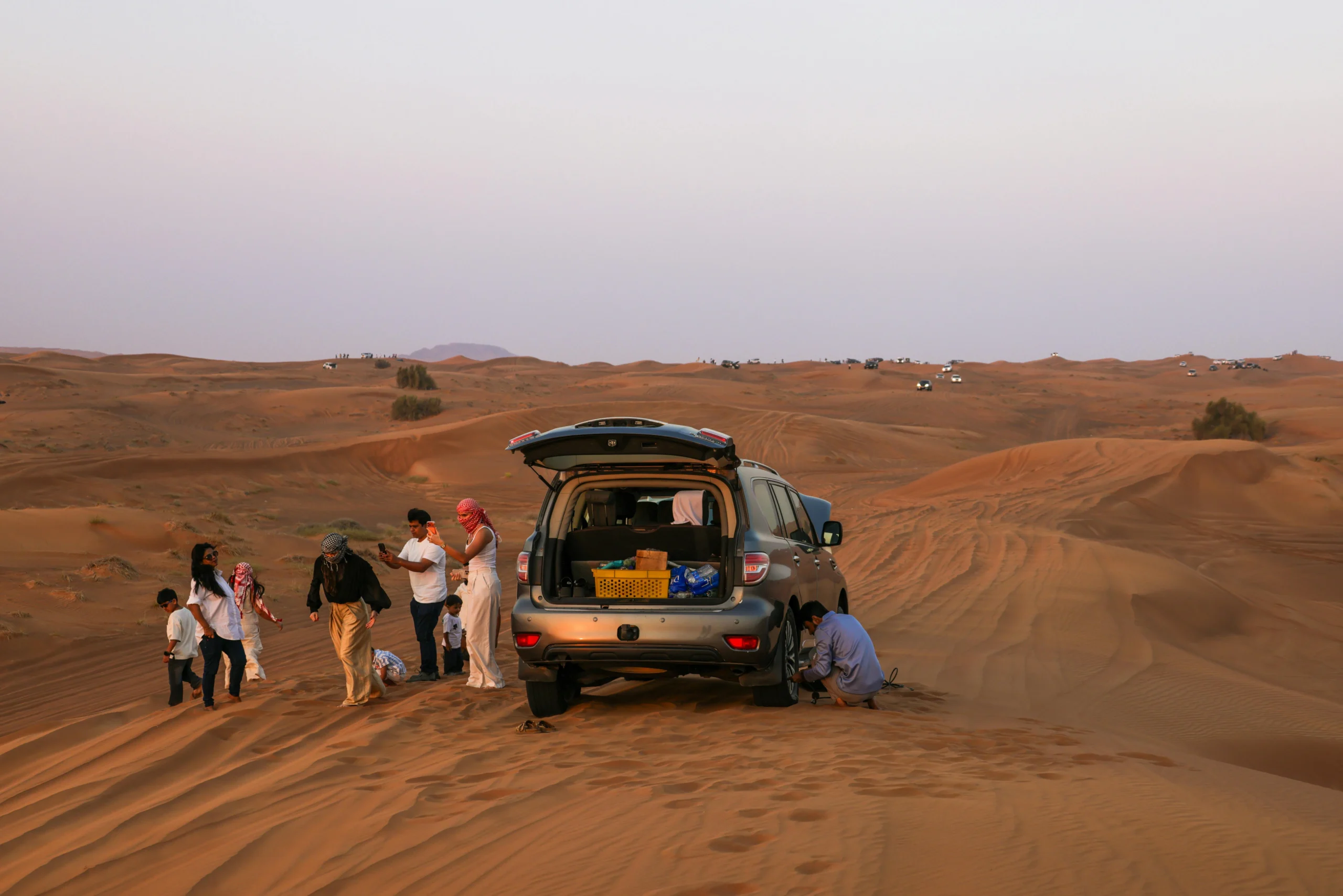
The Sahara can be unforgiving, and preparation for its elements is vital. Here are key tips for dealing with the climate:
- Dress Appropriately: Lightweight, breathable clothing protects your skin from the sun while allowing for airflow. Consider wearing long sleeves and loose pants to minimize exposure.
- Stay Hydrated: Carry a sufficient supply of water. Dehydration is a serious risk in the heat, so aim to drink at least two to three liters of water daily, even if you’re not feeling thirsty.
- Sun Protection: Apply a high-SPF sunscreen, wear a wide-brim hat, and use UV-protective sunglasses to shield yourself from the intense sun.
4. Embrace Desert Safety
Adventure is thrilling, but safety should always come first. Here are essential precautions to take while exploring:
- Travel with a Guide: Hiring a local guide not only enhances your understanding of the culture and geography but ensures you are safe in an area with which they are familiar.
- Signal Communication: In remote areas, mobile service might be sparse. Carry a satellite phone or a personal locator beacon to communicate in emergencies.
- Learn Basic First Aid: Look into basic first aid courses before departure, as they can be invaluable in case of accidents or health issues in remote areas.
5. Engage with Local Culture
One of the most enriching parts of any travel experience is connecting with local cultures. The Sahara is home to diverse communities, including the Berbers, Tuaregs, and Bedouins. Here are ways to engage respectfully:
- Attend Local Festivals: Participate in local festivals or markets to experience vibrant traditions, music, art, and culinary delights. Events like the Festival of the Sahara in Douz, Tunisia, offer immersive cultural experiences.
- Respect Customs: Understand and honor local customs, especially regarding dress and interactions, to foster goodwill and mutual respect.
- Support Local Economies: Purchase handcrafted goods directly from artisans. This not only helps the economy but provides unique souvenirs and authentic cultural experiences.
6. Plan for Accommodations
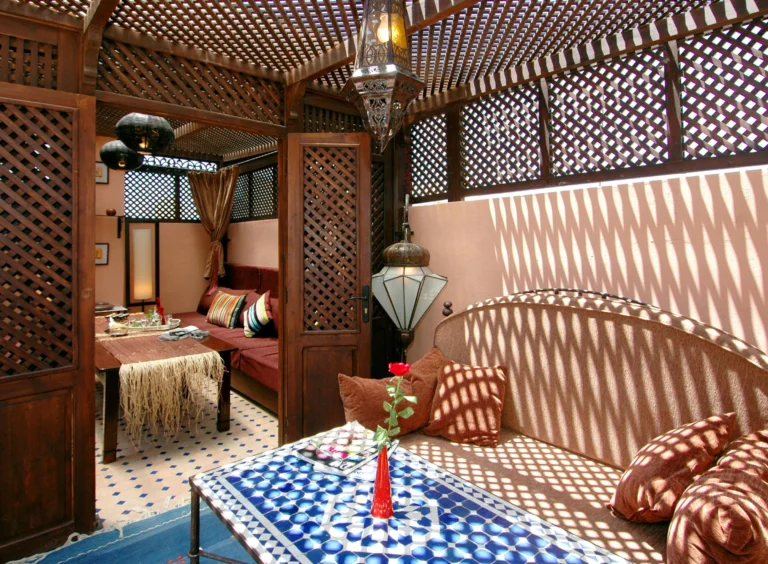
Your choice of accommodation can greatly enhance your desert experience. Options in the Sahara range from luxurious eco-lodges to traditional Berber tents. Consider the following:
- Desert Camps: Experiencing a night under the stars in desert camps can be magical. Ensure they are reputable and offer amenities that meet your comfort needs.
- Hotels and Guest Houses: Research accommodations in towns close to desert entrances, as these can provide a comfortable layover before and after your desert adventure.
7. Equip Yourself with Essential Gear
Packing wisely is essential for any desert journey. Be prepared with gear that caters to both comfort and adventure. Here’s a quick checklist:
- Comfortable footwear: Sturdy hiking shoes or sandals with straps for sand.
- Replenishable energy sources: High-energy snacks like nuts, dried fruits, and protein bars for long treks.
- Navigation tools: A GPS device or offline maps can assist with navigation, particularly in remote areas.
8. Create a Flexible Itinerary
While planning is crucial, remaining flexible can enhance your experience. Weather conditions, cultural events, or personal interests may inspire changes to your itinerary. Being open-minded enables spontaneous adventures and interactions that can enrich your journey.
9. Take Time to Reflect and Enjoy
With all the preparations and activities planned, don’t forget to pause and soak in the vast tranquility of the Sahara. Allowing yourself time to appreciate the stunning landscapes fosters deeper connection and enjoyment. Whether it’s watching the sunset over the dunes or stargazing at night, these moments create lasting memories.
Conclusion
Embarking on a journey through the Sahara Desert can be a life-changing experience filled with adventure and discovery. By following these Sahara Desert travel tips, you’ll be well-prepared to navigate this unique landscape safely and respectfully while immersing yourself in its rich culture.
As you set out on your desert adventure, remember that DELEGG is here to provide you with expert assistance in planning seamless travel adventures, optimizing workflows, and ensuring that you can focus on what truly matters—creating unforgettable memories.
Interested in easing your travel planning? Contact us today to learn more about how our services can help streamline your travel arrangements, allowing you more time to enjoy your journey. Whether you’re exploring the sprawling sands of the Sahara or optimizing your business operations, we’re here to support your growth every step of the way!
FAQ
What is the best time to visit the Sahara?
The best time to visit the Sahara is generally from October to April, when temperatures are milder.
Do I need a guide to explore the Sahara?
While it’s possible to explore certain areas independently, hiring a local guide is highly recommended for safety and cultural insights.
What should I pack for a trip to the Sahara?
Pack lightweight clothing, ample water, sun protection, and comfortable footwear for activities in the desert.
Are there any cultural customs I should be aware of while visiting?
Yes, it’s important to respect local customs, particularly regarding dress and interaction, to foster goodwill and mutual respect.
How can I support local communities while traveling?
Support local economies by purchasing handcrafted goods directly from artisans and engaging in local events.